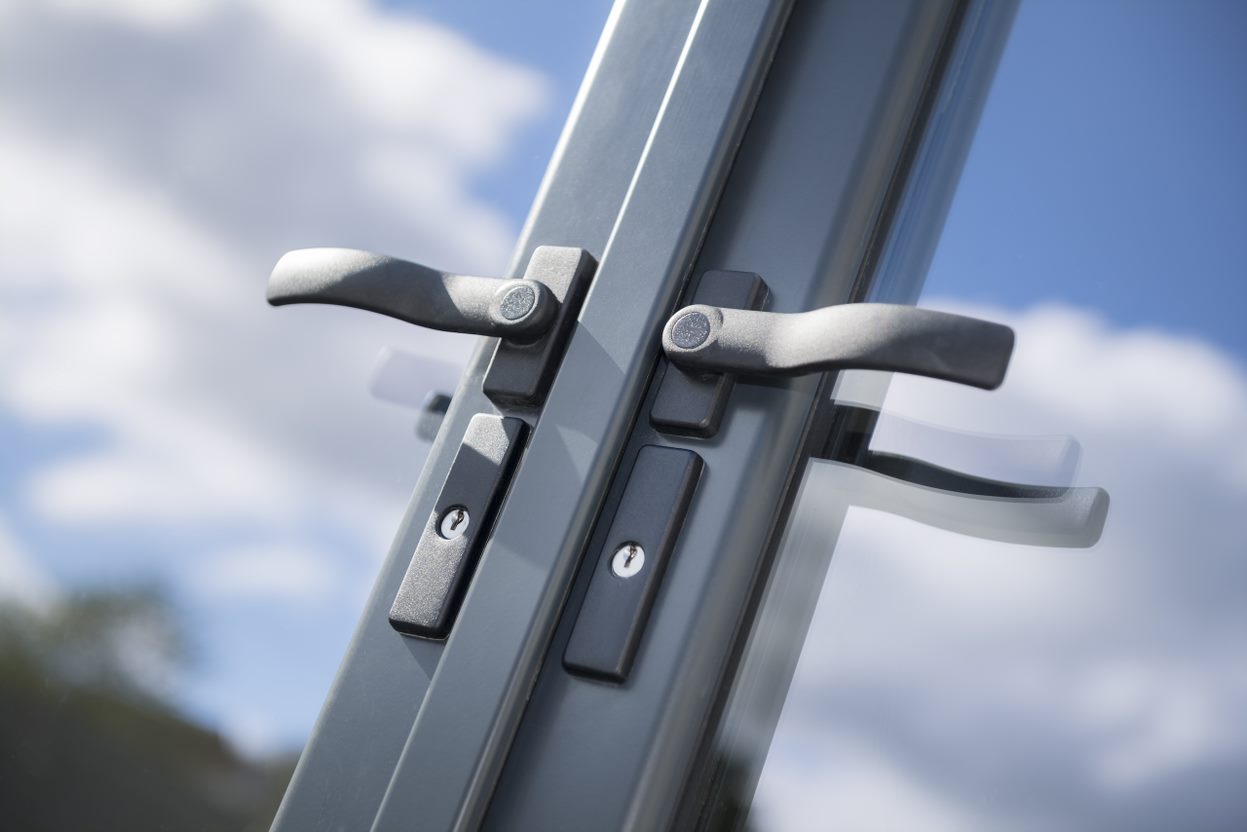
Door Handle Repairs: A Comprehensive Guide
Door handles are among the most frequently used hardware in any building. Whether in homes, offices, or commercial facilities, every entry and exit point is equipped with a door handle. Nevertheless, like any other mechanism, they can use out in time or become harmed due to various reasons. Hence, knowing how to repair door handles is vital for preserving security, privacy, and visual appeals. This guide will dive deep into door handle repairs, providing beneficial insights on common issues, tools required, and step-by-step repair processes.
Common Issues with Door Handles
Before starting a repair, it's crucial to comprehend the common problems associated with door handles. These include:
- Loose Handles - Over time, screws may loosen, causing handles to wobble or be unstable.
- Stuck Handles - Dirt, grime, or misalignment can trigger handles to stick.
- Broken or Damaged Mechanisms - Internal parts of the handle may break or end up being inefficient, needing replacement.
- Rust or Corrosion - Especially common in external door handles, rust can impact performance and look.
- Locked Handles - A handle that won't turn due to a jammed lock can be a source of aggravation.
Understanding these common issues can help in determining the appropriate repair technique.
Tools Required for Door Handle Repairs
Before starting the repair process, it's required to gather the essential tools. Here's a list of what you may require:
- Screwdriver (Flathead and Phillips)
- Allen Wrench (for particular handle types)
- Lubricant (such as WD-40 or graphite)
- Replacement Parts (if needed)
- Cleaning Rags
- Pliers (for grasping and turning stubborn parts)
- Level (to guarantee correct alignment)
Having the right tools helpful can streamline the repair procedure.
Step-by-Step Repair Process
1. Tightening Loose Handles
Tools Needed: Screwdriver
- Check the screws: Most handles are kept in location by screws that can become loose gradually.
- Locate the screws on the handle or the base plate. Use the suitable screwdriver to tighten them.
- Guarantee the handle runs efficiently after tightening. If it's still loose, you may want to replace the screws or inserts.
2. Resolving Stuck Handles
Tools Needed: Lubricant, Cleaning Rag
- Determine the source: Confirm that the handle isn't stuck due to dirt buildup or misalignment.
- Clean the handle: Use a wet cleaning rag to clean away any dirt or grime.
- Apply lubricant: Spray or apply lube to the handle's working parts. Turn Repair My Windows And Doors to disperse uniformly.
- If misalignment is a problem, you might require to adjust the screws or the position of the handle.
3. Changing Broken Mechanisms
Tools Needed: Screwdriver, Replacement Parts
- Get rid of the handle: Unscrew the handle thoroughly to access internal components.
- Check the mechanism: Determine what part is broken or missing out on.
- Change the broken part: Insert a compatible replacement mechanism. Ensure it's lined up and secure.
- Test the handle by reattaching it and checking its functionality.
4. Resolving Rust or Corrosion
Tools Needed: Cleaning Rag, Lubricant, Optional Sandpaper
- Eliminate rust: Use fine-grit sandpaper to gently sand away the rust from surfaces, taking care not to damage the surface.
- Clean the location: Wipe the location clean with a rag to remove debris and dust.
- Apply lubricant or a protective coat: This assists defend against future rusting.
5. Fixing Locked Handles
Tools Needed: Lubricant, Pliers
- Determine the issue: If the handle will not turn, this most likely indicates a jammed lock.
- Oil the lock: Spray lubricant into the keyhole and work the handle back and forth carefully.
- Usage pliers if required: If the handle is stuck due to excessive force, gently maneuver it with pliers, ensuring you do not use too much pressure.
Preventive Measures
To avoid future issues, homeowners and home supervisors must consider regular maintenance for door handles. Here are a few preventive tips:
- Regular Cleaning: Maintain tidiness by regularly cleaning down door handles to prevent dirt accumulation.
- Lubrication: Periodically apply lube to moving parts to ensure smooth operation.
- Tightening Screws: Check and tighten up screws at routine intervals to avoid loosening.
- Examination: Regularly check door handles for indications of wear or damage to address issues before they intensify.
Often Asked Questions (FAQs)
Q1: Can I repair a door handle myself, or ought to I call a professional?A1: Many door handle repairs
can be performed by a DIY lover with basic tools. However, if the handle or locking mechanism is seriously damaged, it may be best to seek advice from a professional. Q2: What types of door handles are
simplest to repair?A2: Simpler styles, such as lever handles or knobs with few components, are generally much easier to repair compared to intricate handles with incorporated locking systems. Q3: How frequently ought to I carry out maintenance on my door handles?A3: It is advisedto check and keep door handles every six months. This consists of cleansing, lubrication, and guaranteeing screws are tight. Q4: How can I tell if I require to replace a door handle?A4: If the handle is severely damaged, reveals significant rust or deterioration, or
if internal mechanisms can not be fixed, it might be time to consider replacement. Q5: Is it worth upgrading to a higher-quality door handle?A5: Yes, investing in a higher-quality door handle can improve sturdiness, security, and visual appeal while reducing
future repair needs. Door handle repairs might appear overwhelming, however with the right
tools and knowledge, a lot of issues can be taken on with ease. Routine maintenance not just extends the life of your door handles however likewise contributes to a secure
and visually pleasing environment. By understanding various repair techniques and preventive steps, homeowners and residential or commercial property managers can guarantee their doors operate optimally, permitting smooth entry and exit without inconvenience.